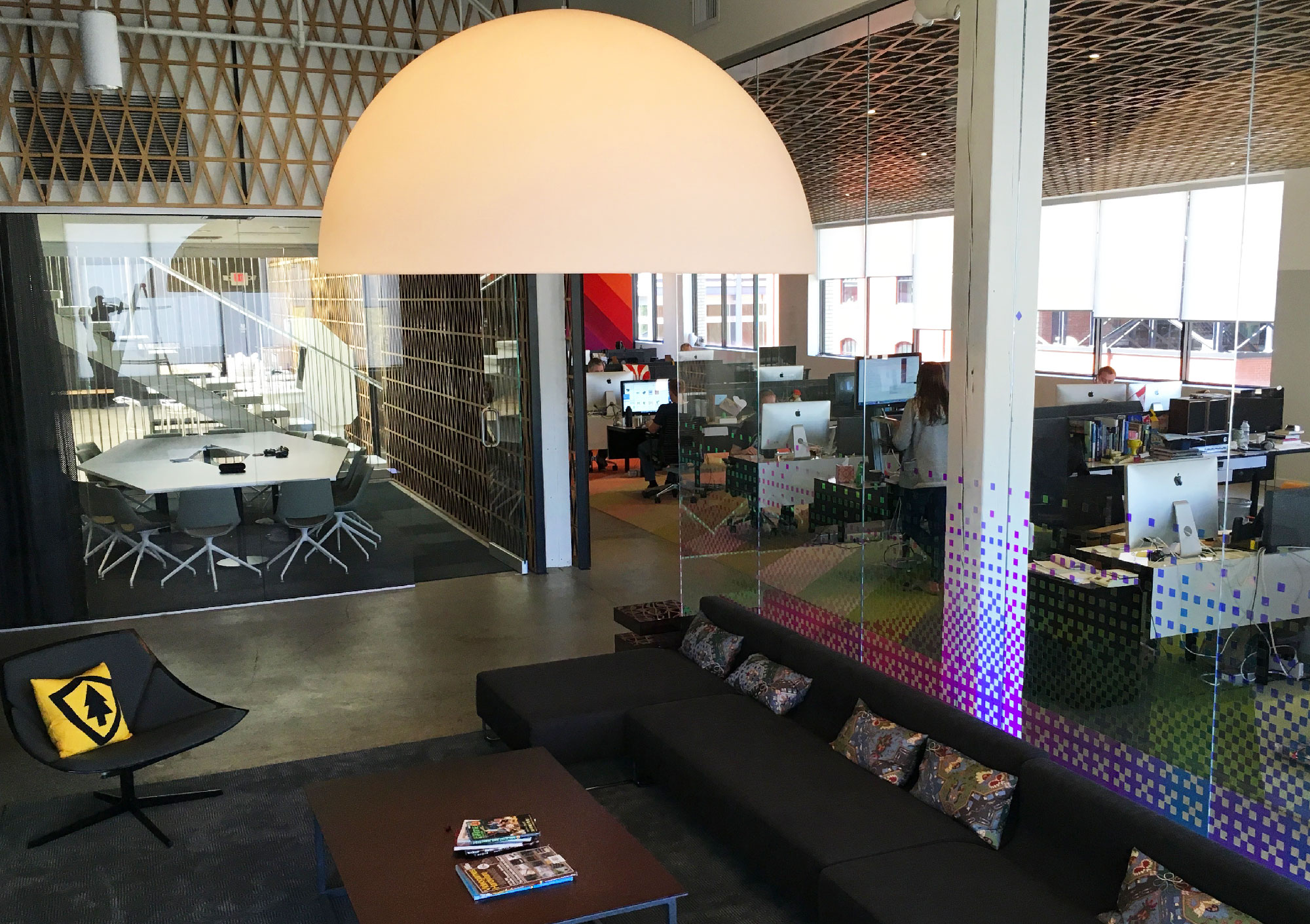
Welcome to 2017… Panic’s 20th anniversary!!
No, your eyes do not deceive you. Some of you may not know that we founded our company in 1997, but it’s true. We’re older than Facebook, older than Twitter, older than Google, and somehow still kickin’.
Every year is a little different, and last year was for sure — a little bit quieter on the software front (at least publicly), and a whole lot louder on the launch-of-a-major-multi-platform-video-game front.
Yes, it’s time: here’s a look back at 2016, and look forward to 2017.
Releases
 Firewatch
2016 was clearly the Year of Firewatch for us. Thanks to Campo Santo’s heroic efforts, Firewatch shipped right on time on Mac, PC, and PlayStation 4. We later added an Xbox One port. I wrote a lot about the launch of Firewatch previously, and it’s still moderately interesting reading.
We’ve had a year to digest the whole (almost out-of-body) experience. I think the most rewarding part was something we don’t often get from apps: the e-mails, blog posts, YouTube videos, and forum discussions people had about Firewatch. How it reminded them of past loves, how it reinvigorated their fondness for the outdoors, how it spoke to life decisions past and present, how the ending was disappointing and/or absolutely perfect… it all made us feel like we created something a little bit more substantial than a lot of video games.
We got to support good friends in making something cool, we got to establish our name a little bit in a new industry, we got to push our marketing skills, and we learned a ton about what it takes to make and ship a game. Firewatch was also a financial success for us — a very solid return on our investment — which has created a nice cushion that I think will allow Panic to develop more software, take more risks, and try more crazy things in the future. That means Firewatch’s success is everyone’s gain. (Even you, the person who might be waiting for a new Coda!)
Since the game’s release:
- Firewatch landed in a lot of year-end Top 10s, including Salon and Vulture and Polygon and The Independent (#2, right behind Uncharted 4!?). PC Gamer even said it had the best writing of any game in 2016.
- It officially sold over one million copies.
- We shipped on the Mac App Store (for people who don’t use Steam), which got featured by Apple.
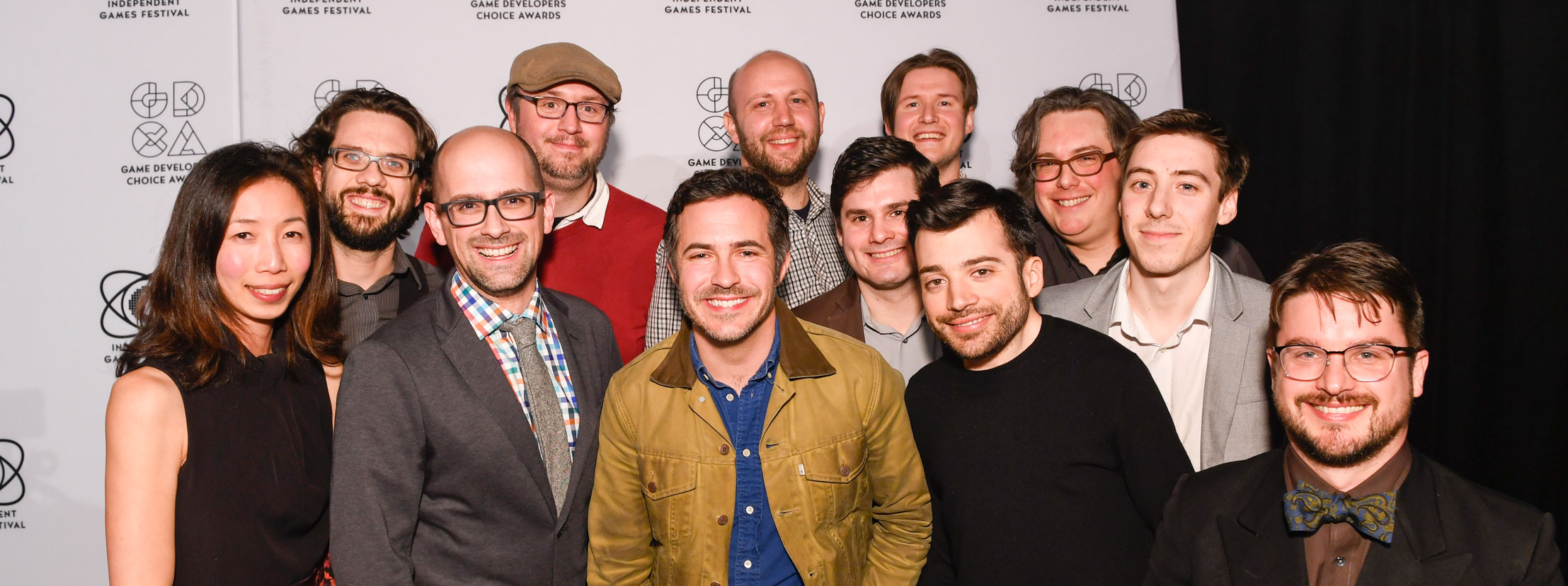
- We won some nice awards, including Best Debut and Best Narrative at the 2017 Game Developer Choice Awards.
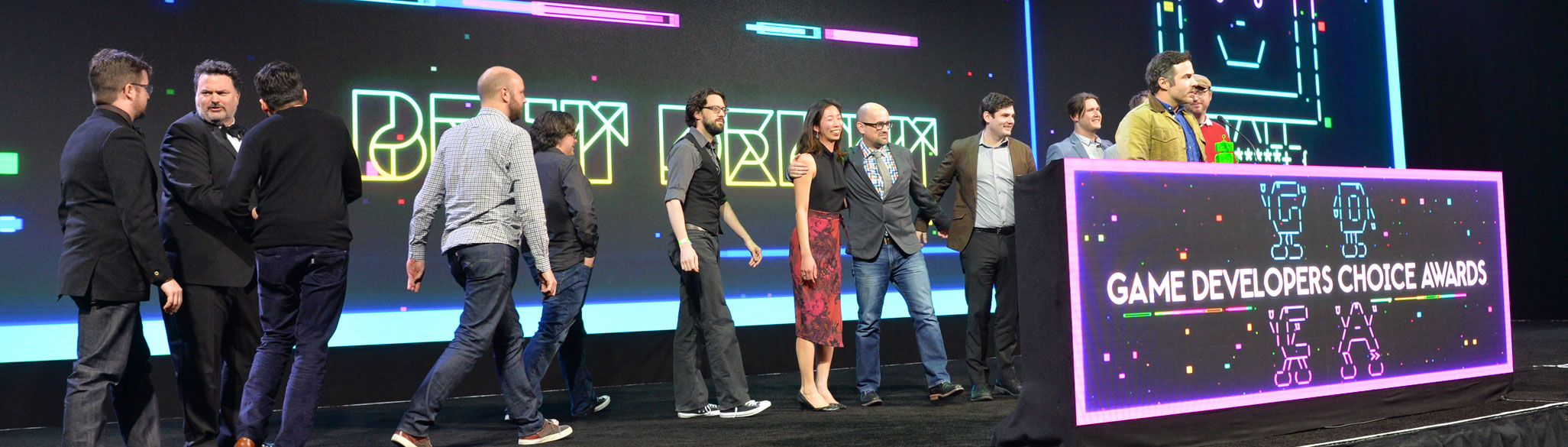
- And we lost a lot of awards, but one cool thing was consistent: our very first video game was right there nominated next to major franchises from massive studios. Amazing.
- We’re now working to bring Firewatch to Japan, with localized subtitles. Here’s hoping we can pull it off.
- And who could forget the story of the uncle that works for Nintendo?
We’ll always look back fondly at this particular time of our lives — from the initial crazy idea, to watching the team at Campo Santo actually make something of substance, on time, and for a ridiculous budget (well, as far as games go). I enjoyed updating the folks at Panic every week with what was going on, and watching our team pitch in in every way that they could, be it QA or marketing or what have you. It really felt like a team effort.
Thanks, Campo Santo, for taking us with you on this ride.
 Firewatch Photos
We also launched and ran our fictitious photo printing company, Fotodome, to deliver people’s Firewatch memories on paper. All told, we — well, June, to be specific — shipped 1,500+ beautiful sets of video game photo prints around the world. And we’re now hosting over 45,000 separate “rolls” of photos on our servers — that’s over 534,000 photos taken in the Shoshone National Forest.
Fotodome was the goofy kind of thing Panic likes to do for fun, not for profit. It made Firewatch feel a little bit more special for the people who connected with it, and it still feels awesome every time a new order comes in — and there’s usually one or two every day even now!
 Coda with Touch Bar
At the very tail end of 2016, Apple added the Touch Bar to the MacBook Pro, and we were fortunate enough to get in on the ground floor — we immediately thought it might be an interesting thing to support in Coda, an app where it’s really in your best interest to keep your hands on the keyboard as much as possible. Coda 2.6 with Touch Bar landed just a few weeks after MacBook Pro. It felt good to semi-quickly add a major new hardware feature to our app.
Updates
Other than working on new things, our team is constantly updating our apps. And I do mean constantly. Here’s a chart of all the bits we got out the door in 2016:
| 2.5.14 | 2.1.3 | 2.5 | 2.0.9 | 4.4.12 | 1.3.2 |
| 2.5.15 | 2.2 | 2.5.1 | 2.0.10 | 1.3.3 | |
| 2.5.16 | 2.2.1 | 2.5.2 | 2.0.11 | 1.3.4 | |
| 2.5.17 | 2.2.2 | 2.5.3 | 2.0.12 | 1.3.5 | |
| 2.5.18 | 2.2.3 | 2.5.4 | 2.0.13 | ||
| 2.5.19 | 2.5.5 | ☠️? | |||
| 2.6 | 2.5.6 | ||||
| 2.5.7 | |||||
| 2.5.8 | |||||
| 2.5.9 |
We shipped 34 software releases over the course of 52 weeks in 2016, and three of them were significant new-feature updates. Each one of them was fully tested and qualified by our expanded and improved QA team. This might be a new record for us!
It’s our goal to make sure that our software works well, constantly — that the app you paid for continues to deliver, every day.
Successes
A few things that are notable from 2016:
- Our software quality is the best it’s ever been. In 2016, we moved Aaron over to join Ashur in QA, meaning we now have two, yes two!, people invested in full-time testing and release qualification of our apps. It has been a huge change from the early years of making a few educated spot-checks before pressing “deploy” and hoping for the best. I have great confidence that the software leaving our door is stable and polished. (As a case in point, the Transmit 5 beta may be our shortest ever, because we fixed so many bugs during development.)
- We’ve upped our group skills. This is going to sound painfully obvious so please don’t laugh, but between conducting more regular status meetings and lengthy-but-helpful bug triage meetings, we’re doing a better job all working together to define our immediate goals clearly and make them happen.
- Supporting an external project, like Firewatch, felt very worthwhile. We’d like to do more of it in the future. Does that mean we might want to support more games? If a good fit came our way, quite possibly.
- We took the hiring process seriously. Driven mostly by Ashur and Heather, we approached hiring with new, more refined, structured process. We created a new recruitment page, and tried a lot of new things: blind resumes (James manually redacted all personally identifying information on each and every resume we got), outreach to underrepresented groups (not just me posting on Twitter), a fixed application window, focused deadlines for responses to keep applicants informed at all times, and more. It was a huge change for us, and it took a lot of work, but the results were worth it. Speaking of…
- Our team is extremely good. I’m serious. 2016 welcomed both Jesus and Helen into our Support group, and I’m so glad they’re here. But truly every single person here at Panic continues to impress me every day with their skill, initiative, and unstoppable urge to make the best and coolest things possible. There’s a lot I can’t talk about yet, but it’s amazing to watch everyone find what they love and do their best at it. This is a world-class team, full stop.
Challenges
But not everything was super smooth:
- iOS continues to haunt us. If you remember, 2016 was the year we killed Status Board, our very nice data visualization app. Now, a lot of it was our fault. But it was another blow to our heavy investment in pro-level iOS apps a couple years ago, a decision we’re still feeling the ramifications of today as we revert back to a deep focus on macOS. Trying to do macOS quality work on iOS cost us a lot of time for sadly not much payoff. We love iOS, we love our iPhones, and we love our iPads. But we remain convinced that it’s not — yet? — possible to make a living selling pro software on those platforms. Which is a real bummer!
- Game development is tricky. We didn’t bear the brunt of this (thank you for everything always Ben!). But it turns out we’re a little bit spoiled in the Mac / iOS development world, what with our usually consistent tools like Xcode and mostly reliable platforms from Apple. Heck, even the App Store is blissful by comparison. Minor updates to Unity can break your game, hundreds of PC configurations make a smooth experience for all users a literal moving target, console submission processes are extremely complex, etc. This was often tough: we got so close to a Metal-powered Firewatch Mac, but Unity complexities got in the way. We’ll get it next game!
- Defining roles is important. What happens when you’re truly a “flat” organization and you have a bunch of incredibly smart people that can all offer valuable input on almost every task happening at any one time? Things can actually slow down a little at times. You want the right people on the right tasks, and you want someone who can make tough decisions and process the possibilities. It’s possible we’ve outgrown complete flatness. We’ll be experimenting with this more into the future, although it’s so tricky — you don’t want people feeling excluded, and you don’t want to extinguish the passion of creating!
What’s Next
This is the part you probably care about. Here’s what we’re busy working on right now:
Transmit 5
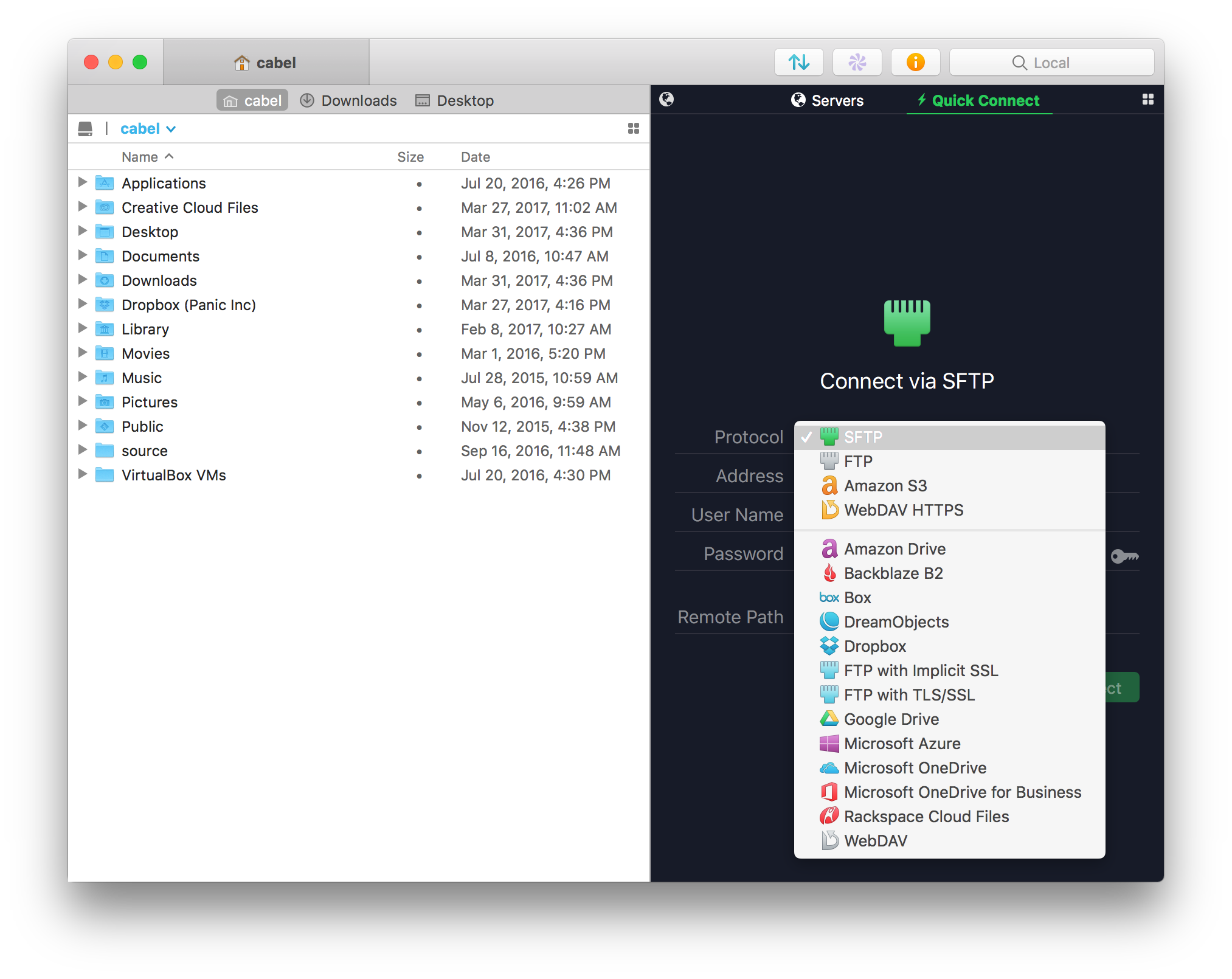
Yeah, it’s 100% real. It’s been seven years (yes, really) since we last charged for a Transmit update. Currently in private beta testing, we’re getting tantalizingly close to the launch of Transmit 5! We don’t want to give it all away yet, but we think it’s a super solid update to this venerable and trustworthy file transfer app for macOS.
Coda
If you’re wondering what the long-term plans are for Coda, I can’t blame you! It’s been a while since Coda had a massive new release, as nice as adding that Touch Bar support was. So, what’s up with that?
The good news: we’ve been brainstorming a great deal about what it would mean to reboot Coda — tear it down to the studs, equip it for modern web development in 2017, and figure out what we can bring to that table that’s distinct and helpful. Can we make Coda leaner, faster, with more modern workflows for developing, building, and deploying web work, without completely alienating existing users who love the way it already works for them today? Can we do constant iteration instead of giant monolithic releases, and can we cook up a revenue model to support that? Can we carve out a unique identity in a universe of good (and often free!) competitors? These are the big questions. But we have a general plan, and the work is well underway.
The tougher news: this won’t happen overnight. This is a long road. This will take a while. You get the idea. I will post updates on Twitter or here on the blog when I have more to report.
To everyone who uses Coda, thank you so much for your support and your patience — this work is overdue, but we think it’ll set us up nicely for a future where Coda won’t get “stuck” for long periods of time again. (Also, feel free to e-mail us any time, and tell us where you’d like to see Coda go. We love your constructive feedback and always take the time to read and consider it.)
Misc.
It wouldn’t be Panic if we didn’t also have some crazy things in the works that may or may not see the light of day. Hopefully in 2017, our 20th year, we’ll be able to crank out something new.
Thanks
Sometimes it feels wildly improbable that we’re still here, but we’re still here.
Our good fortune is boundless. We’re fortunate to have been able to do this amazing job for 20 years straight. We’re fortunate to have found this solid group of people to work with. We’re fortunate to have the independence, opportunities, and means to try different things. We’re fortunate to have you as a customer and/or fan.
It’s been a beautiful 20 years. Let’s see where our fortune takes us next!